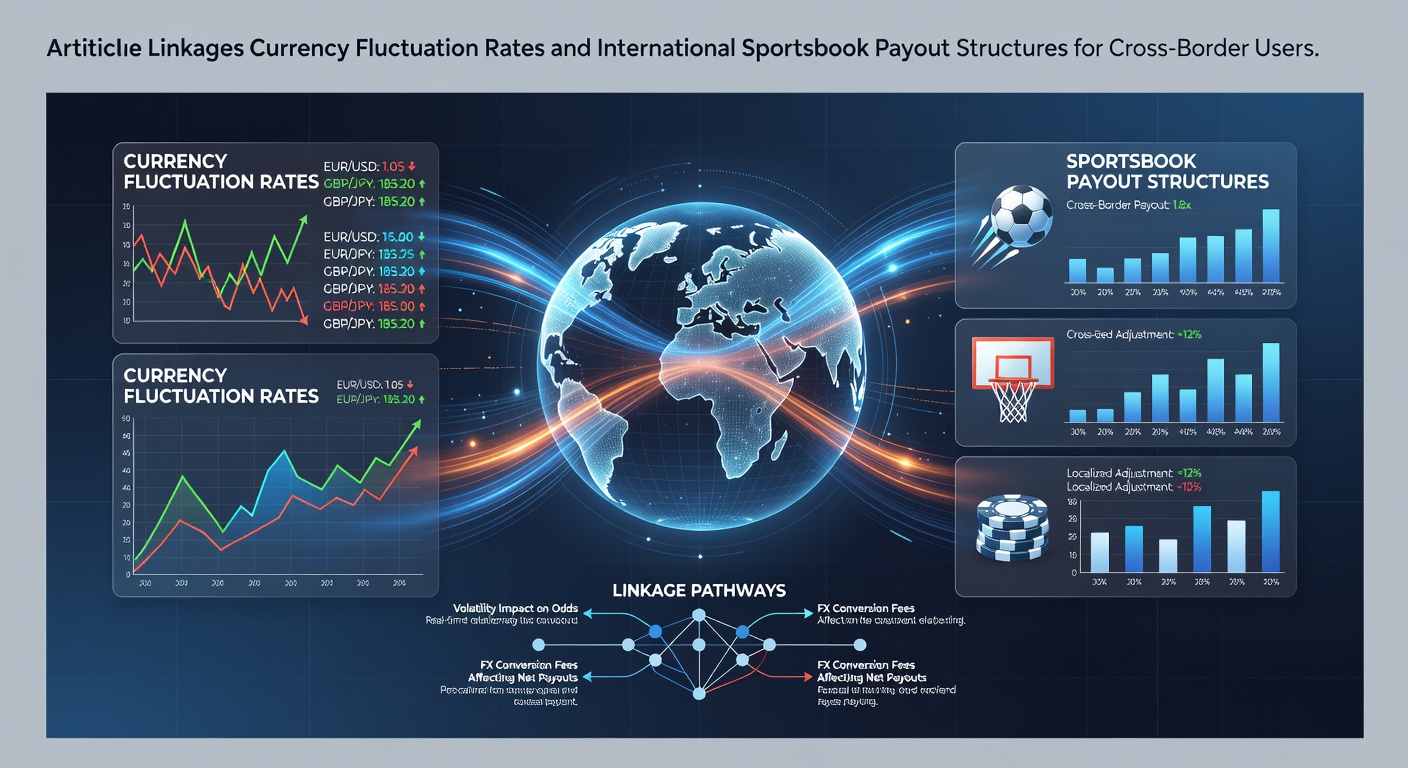
Exploring Linkages Between Currency Fluctuation Rates and International Sportsbook Payout Structures for Cross-Border Users
Cross-border users interact with sportsbooks that operate across multiple jurisdictions, and currency fluctuation rates directly influence the final value of deposits, active balances, and withdrawals. Exchange rate movements occur continuously in global markets, and platforms convert funds at prevailing rates during each transaction stage. When a user deposits in one currency and later withdraws in another, the difference between entry and exit rates can alter the net return even before any platform fees apply.
Mechanics of Currency Conversion in Multi-Jurisdiction Platforms
International sportsbooks maintain accounts denominated in base currencies such as USD, EUR, or GBP, yet they accept funding from users holding accounts in local currencies around the world. Conversion happens at the moment of deposit through integrated payment processors that reference interbank rates plus any spread the provider applies. Observers note that some platforms lock the conversion rate at deposit time for the duration of the balance, whereas others revalue the balance daily according to market movements. This distinction matters because a user who funds during a period of currency strength may see the effective balance shrink if the local currency weakens before withdrawal.
Research from financial institutions shows that major pairs like EUR/USD and AUD/USD exhibited volatility ranges of 4 to 7 percent over rolling 30-day windows in recent years. When such swings align with the timing of large withdrawals, the payout amount in the user's home currency can differ noticeably from the original deposited value. Sportsbooks that absorb conversion costs internally often advertise "no FX fees," but those costs typically appear in adjusted odds or higher margins elsewhere in the operation.
Timing of Payouts Relative to Market Movements
Withdrawal processing windows vary by method and jurisdiction, and the length of those windows determines exposure to further rate changes. Faster methods such as e-wallets often complete within hours, limiting the period during which exchange rates can shift. Traditional bank transfers, by contrast, may require several business days, creating additional opportunity for fluctuation. Data compiled by payment service providers indicates that cross-border transfers processed during high-volatility events experience average rate deviations of 1.2 to 2.8 percent between initiation and settlement.
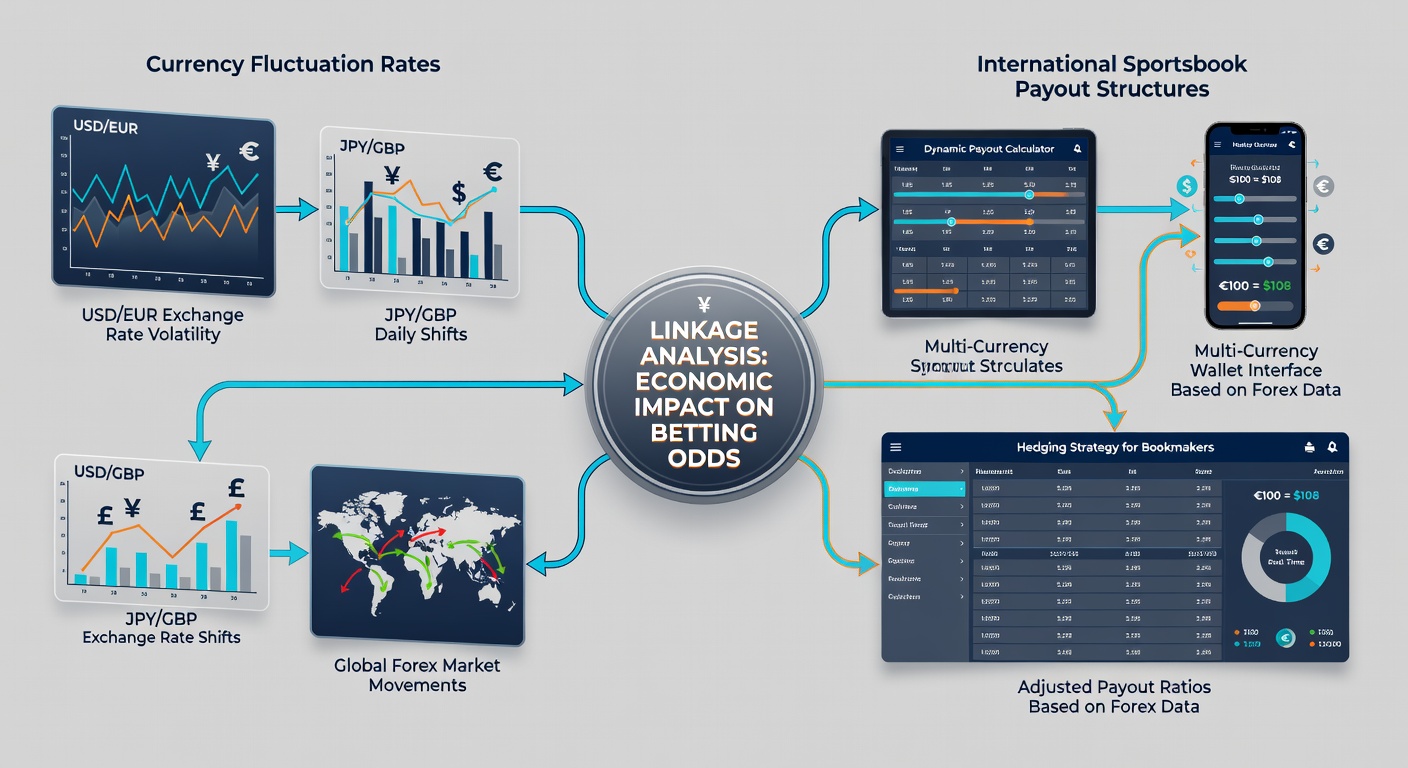
Platforms that offer rate-locking features allow users to fix the exchange rate for a defined period after a withdrawal request. These features typically carry their own conditions, including minimum withdrawal thresholds and availability only for specific currency pairs. In May 2026, several operators expanded such options for users in emerging markets where local currency volatility exceeded 10 percent against major reserve currencies during the first quarter. The expansion followed increased regulatory scrutiny in multiple regions regarding transparent pricing of cross-border financial services tied to gambling platforms.
Regional Regulatory Approaches and Reporting Requirements
Regulatory bodies in different jurisdictions impose varying obligations on how sportsbooks disclose currency risks. The Australian Transaction Reports and Analysis Centre requires operators to report large cross-border transactions and to maintain records that allow reconstruction of exchange rates applied at each step. Canadian provincial regulators similarly mandate clear statements about conversion spreads in user agreements. European authorities under the Markets in Financial Instruments Directive framework require disclosure of total costs, including implicit currency conversion charges, before a transaction executes.
Academic studies published in the Journal of Gambling Business and Economics have examined how these disclosure rules affect user behavior. One analysis of transaction data from operators serving users in both Australia and Canada found that platforms providing real-time rate information experienced lower dispute rates related to payout amounts. The same study noted that users who monitored exchange rates through external sources tended to time withdrawals during periods when their home currency strengthened against the platform's base currency.
Observed Patterns in Payout Adjustments Across Currency Pairs
Operators adjust payout structures in response to sustained currency trends rather than daily fluctuations. When a platform's primary user base shifts toward regions whose currencies weaken consistently, the operator may introduce new base currency options or adjust minimum stake requirements. Those who've studied transaction logs across multiple sites report that such adjustments often coincide with broader macroeconomic events, including central bank policy announcements or commodity price swings that affect resource-linked currencies.
Payment processors that partner with sportsbooks maintain reserve accounts in several currencies to reduce conversion frequency. This practice lowers the number of times a user's funds cross exchange rates, yet it does not eliminate exposure entirely when the user ultimately converts winnings back to a domestic account. Figures released by the Bank for International Settlements show that the volume of multi-currency gambling-related transfers grew steadily through 2025, prompting processors to refine hedging strategies that indirectly influence the spreads offered to end users.
Conclusion
Currency fluctuation rates intersect with international sportsbook payout structures at multiple points in the transaction lifecycle for cross-border users. Conversion timing, platform policies on rate locking, regulatory disclosure requirements, and processor hedging practices each contribute to the final amount received. Observers continue to track how these elements interact as global payment infrastructure and regulatory frameworks evolve, particularly in markets where cross-border betting volumes represent a growing share of overall activity.