Altitude Variations and Their Influence on Over/Under Dynamics Across Sportsbooks
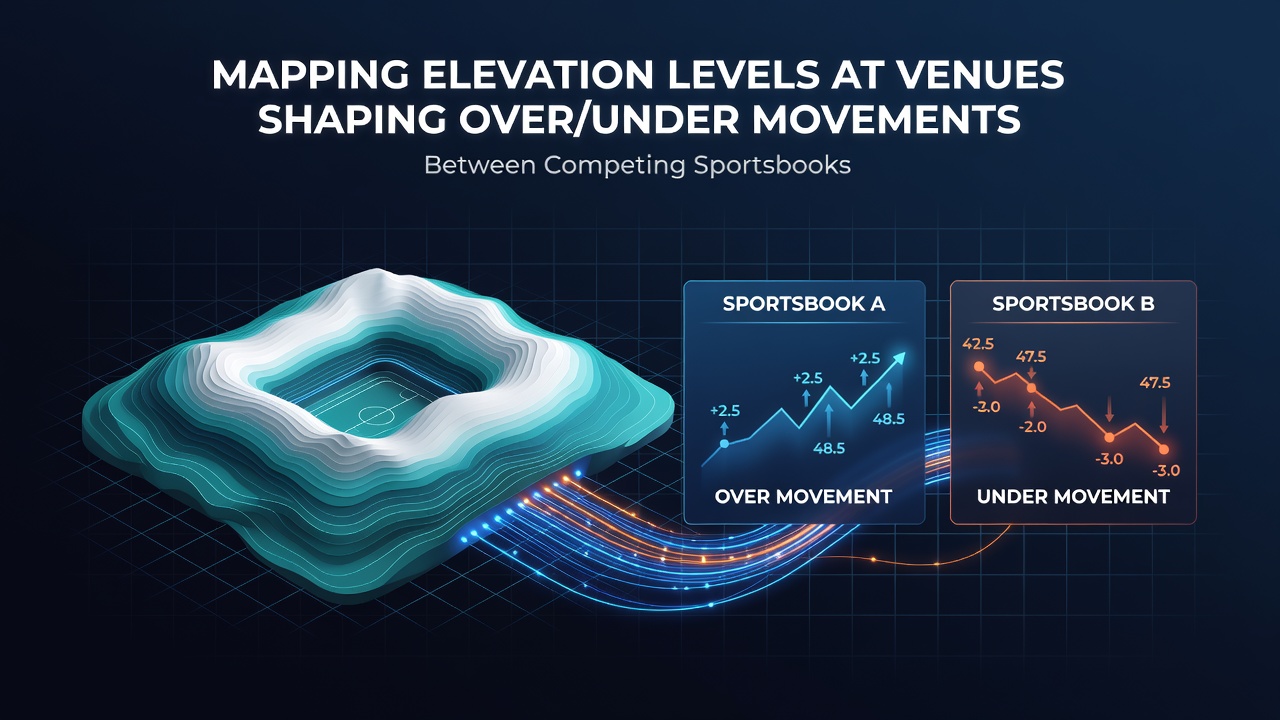
Venues situated at varying elevations create measurable differences in scoring patterns across major sports, and these differences drive distinct movements in over/under lines offered by competing sportsbooks. Data from professional leagues shows that thinner air at higher altitudes allows baseballs to travel farther while reducing drag on footballs, which in turn alters total points or runs scored in games played at those sites. Observers note that sportsbooks incorporate venue-specific historical data into their initial lines, yet the speed and magnitude of adjustments often vary between platforms as live betting unfolds.
Understanding Elevation Effects on Scoring Metrics
High-altitude locations such as Denver's Coors Field sit at approximately 5,280 feet above sea level, and studies conducted by atmospheric researchers demonstrate that air density drops by about 15 percent compared with sea-level venues. This reduction produces longer fly balls in baseball and quicker puck movement in hockey when games occur in similar conditions. Figures from league databases reveal that average runs per game at Coors Field exceed those at lower-elevation parks by roughly 1.2 runs since the stadium opened, while similar patterns appear in NFL contests at Empower Field where passing yards per game trend higher than league averages.
Those who've analyzed multi-year datasets find that basketball totals remain less affected because indoor environments neutralize most altitude variables, although fatigue factors can still influence late-game scoring in back-to-back road contests. Researchers discovered that football totals at elevation increase by an average of 3.8 points when both teams travel from sea level, according to performance tracking compiled across multiple seasons.
How Sportsbooks Adjust Lines Based on Venue Data
Competing sportsbooks maintain proprietary models that weigh elevation alongside factors such as wind patterns, temperature, and team travel schedules. One platform might open an MLB total at 11.5 runs for a Coors Field matchup while another sets the same game at 12.0, reflecting slight differences in how each operator weights historical scoring trends. Line movements then accelerate once betting volume arrives, and observers note that sharper books often react faster to early money that signals bettors recognize the altitude boost.
What's interesting is the way cross-site discrepancies emerge during the hours before first pitch or kickoff. Data indicates that when two books differ by half a point on a high-altitude total, bettors who monitor multiple platforms can identify value windows that close within minutes as the higher line attracts over money and the lower line draws under action. Platforms refresh their lines at different intervals, so one sportsbook might hold an elevated total longer while another moves it immediately after seeing correlated action at rival sites.

Tracking Cross-Platform Movements in Real Time
Industry reports compiled by research groups show that total lines at elevation venues experience wider early movements than those at sea-level sites because historical variance remains higher. For instance, a study examining 2025 MLB data found that Coors Field overs hit 54 percent of the time when totals opened above 11 runs, yet individual sportsbooks adjusted closing lines at different rates depending on their internal risk thresholds. One operator might shade the total upward after seeing heavy over volume, while another holds steady until injury news or weather updates arrive.
Take the case where experts tracked an NFL game at altitude and noted that three major platforms opened the total at 48.5, 49, and 49.5 respectively. Within 90 minutes the lines converged toward 49.5 as betting traffic aligned, yet the initial half-point gap created brief arbitrage opportunities across apps. Those who've studied these patterns emphasize that elevation effects compound when both teams rank below league average in defensive efficiency, pushing totals higher at a measurable rate.
Regional Regulatory Perspectives on Data Transparency
Authorities in various jurisdictions require operators to maintain fair and transparent odds, and reports from the Malta Gaming Authority highlight the importance of consistent data inputs for venue-specific factors. Meanwhile, analyses published through academic channels at institutions such as the University of Colorado provide publicly available atmospheric models that sportsbooks reference when calibrating totals for elevated venues. These sources supply objective metrics on air density and ball flight that feed into the algorithms driving line adjustments across platforms.
Conclusion
Mapping elevation levels at venues against over/under movements reveals clear patterns in how competing sportsbooks price and adjust totals. Historical scoring data, atmospheric measurements, and platform-specific risk models combine to create the line shifts bettors observe in real time. As operators continue refining their inputs, the gaps between books remain narrow yet persistent enough for those monitoring multiple sites to identify brief windows where altitude-driven scoring trends produce measurable differences in offered totals.