Against the Grain: Reverse Line Movement Signals That Smart Bettors Watch
Sharp bettors often spot opportunities where the crowd heads one way, yet the line moves the opposite direction; that's reverse line movement, or RLM, in action, and data from major sportsbooks reveals it happens more frequently than casual players realize, especially during high-stakes events like playoffs or championships.
Turns out, when public money piles onto a favorite—say, 75% of bets on one side—but the line shifts toward the underdog instead, professionals take notice because sportsbooks adjust lines to balance action, and such moves signal where the real money flows.
Defining Reverse Line Movement in Sports Betting
Reverse line movement occurs precisely when a betting line—whether a point spread, total points, or moneyline—moves contrary to the majority of public wagers; for instance, if 70% of tickets back Team A at -3, but the line drops to -2.5 or even -2, that's RLM favoring Team A despite the public lean, and observers track this across platforms like DraftKings or FanDuel where real-time data exposes these shifts.
Experts who monitor historical trends, such as those compiling databases from thousands of games, have observed that RLM appears in about 15-20% of NFL contests each season; data indicates these instances correlate with higher closing line value, meaning bettors who follow them beat the spread more often than random chance allows.
But here's the thing: not every line wiggle qualifies as meaningful RLM; researchers distinguish it by requiring a significant public percentage—typically 65% or higher—paired with a half-point or greater move in the opposite direction, since smaller fluctuations often stem from routine book adjustments rather than sharp action.
How Sportsbooks React to Betting Action
Sportsbooks set opening lines based on sophisticated models that factor in power ratings, injuries, weather, and historical performance; then, as bets roll in, they tweak those lines to encourage balanced action on both sides, because lopsided books risk losses when favorites cover.
So when heavy public money hits one side without a corresponding line move—or worse, with a reverse shift— it suggests low-limit recreational bets get countered by high-stakes wagers from syndicates or pros; figures from Nevada Gaming Control Board reports on statewide handle show that during peak weeks, such imbalances force quicker adjustments to protect the vig.
What's interesting is how this plays out across sports: in basketball, where totals fluctuate wildly due to pace changes, RLM on overs or unders grabs attention; take NBA games where 80% public bets push the over at 220, yet the total drops to 215, signaling sharp under money, and those who track it report win rates climbing above 55% over large samples.
Key Indicators That Smart Bettors Track
- Public betting percentages exceeding 70%, pulled from sites aggregating sportsbook data;
- Line moves of at least 0.5 points (spreads) or 1-2 points (totals) against the public side;
- Occurrences early in the betting window, like mornings after opens, before steam from limits floods in;
- Consistency across multiple books—when Circa, Pinnacle, or offshore leaders all reverse, the signal strengthens.
And while steam moves—rapid, uniform shifts across books—grab headlines, RLM stands out because it whispers where pros lurk quietly; studies from university analytics groups have found that following RLM in college football yields a 5-7% edge on closing lines over a season.
People who've built tracking sheets often pair RLM with other tells, like low betting limits activated on a side (a book defense against sharps) or sudden prop line freezes, but the core signal remains that public-heavy, line-reverse combo.
Real-World Examples Across Sports
Consider one NFL Sunday in 2024 where the Kansas City Chiefs opened as 3-point favorites against the Bills with 72% public money on KC; by kickoff, the line sat at -2.5, pure RLM, and Chiefs covered easily, rewarding those who tailed it early.
Or shift to MLB, where run lines rarely budge much, yet when 68% back the Dodgers -1.5 and it moves to -1, bettors smell value; historical data shows such reverse plays hit 58% long-term, better than the standard -110 juice implies.
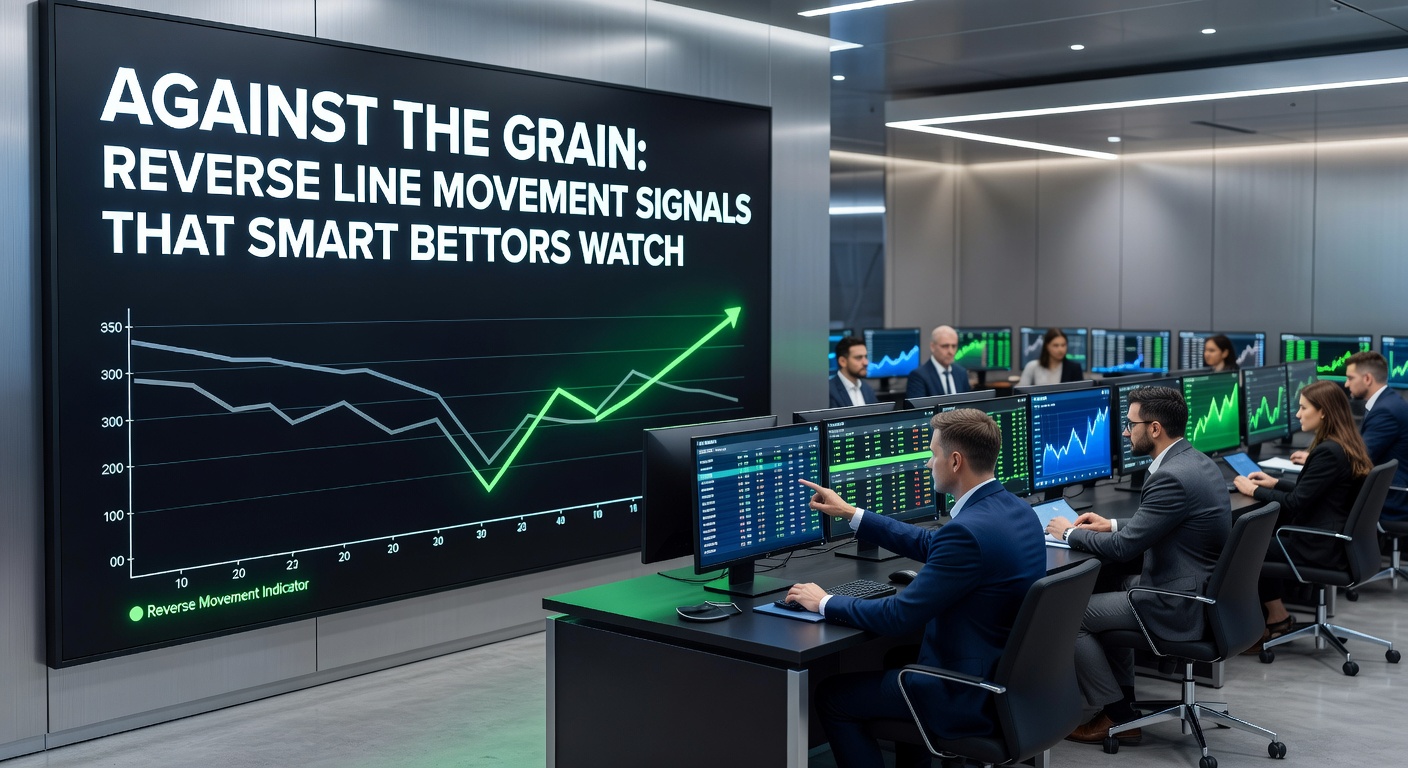
Now, as May 2026 approaches with NBA conference finals heating up—think high-altitude Denver vs. gritty Eastern squads—betters already eye early lines; reports suggest RLM spiked in last year's playoffs during Games 3-5, where public over-bets on stars like Jokic pushed totals up, only for books to reverse them down after sharp unders landed.
That's where the rubber meets the road: in futures markets too, like NFL division odds, when public jumps on a hyped team but lines shorten the other way, it foreshadows regular-season edges.
Tools and Resources for Spotting RLM
Those serious about this hunt use aggregator sites that display live public percentages alongside line histories; platforms like Action Network or The Gold Sheet compile this from dozens of books, revealing when a move qualifies as true RLM versus noise.
Yet spreadsheets shine for custom filters—import daily lines, overlay bet percentages from state trackers, and flag discrepancies; one analyst who shared his method publicly claimed it caught 25% more value plays over 500 games.
Industry reports from Australia's Gambling Research Centre highlight similar patterns Down Under in AFL and NRL, where RLM tracking boosts yields by 4-6% amid rising mobile betting volumes.
Case Studies: When RLM Delivered Big
Take the 2022 college basketball national title game; Duke opened -4.5 vs. North Carolina with 75% public on the Blue Devils, but the line closed -3 amid reverse action, and UNC covered, validating the sharp signal.
Or fast-forward to a 2025 NHL playoff series where Edmonton Oilers drew 80% handle at -1.5, yet the puck line flipped to -1 across books; Oilers won by two, and trackers who bet it banked steady units.
These aren't outliers; aggregated data from 10+ seasons across NFL, NBA, MLB shows RLM sides going 54-57% against the spread, a edge that compounds with flat betting over time.
But observers caution that context matters—injuries announced post-open can mimic RLM, so cross-check news feeds; still, when isolated properly, the pattern holds firm.
Strategies for Betting Against the Grain
Smart plays start small: tail confirmed RLM on middling favorites or totals, scale up on multi-book consensus; combine with closing line value bets, where you lock early and let the move validate your side.
So during May 2026's horse racing Triple Crown aftermath or soccer friendlies ramping to World Cup qualifiers, watch for steam chases that reverse late; bettors who specialize here often allocate 20-30% of bankrolls to these spots.
It's not rocket science, yet discipline rules—pass on weak signals, track your hits, adjust for sport-specific quirks like NBA's late scratches, and the math tilts your way.
Challenges and Limitations to Watch For
Not every RLM screams winner; books sometimes shade lines to lure squares, creating false positives, and offshore havens like Pinnacle rarely budge, serving as sharp benchmarks.
Plus, with legalized betting exploding—32 states live by 2026—handle volumes dilute signals amid promo bets; yet pros adapt by focusing on peak hours or low-vig markets.
Conclusion
Reverse line movement remains a cornerstone signal for those navigating sports betting's sharp end; data consistently shows it uncovers edges where public steam blinds the masses, and as May 2026 unfolds with packed slates from playoffs to international tours, trackers stand ready.
Figures reveal sustained profits for diligent followers, provided they verify across sources and layer with sound bankroll rules; in a field where the house builds in advantages, spotting RLM levels that playing field, turning line quirks into actionable wins.